The Three Fatal Gaps
Why good intentions aren't enough — and what actually is.
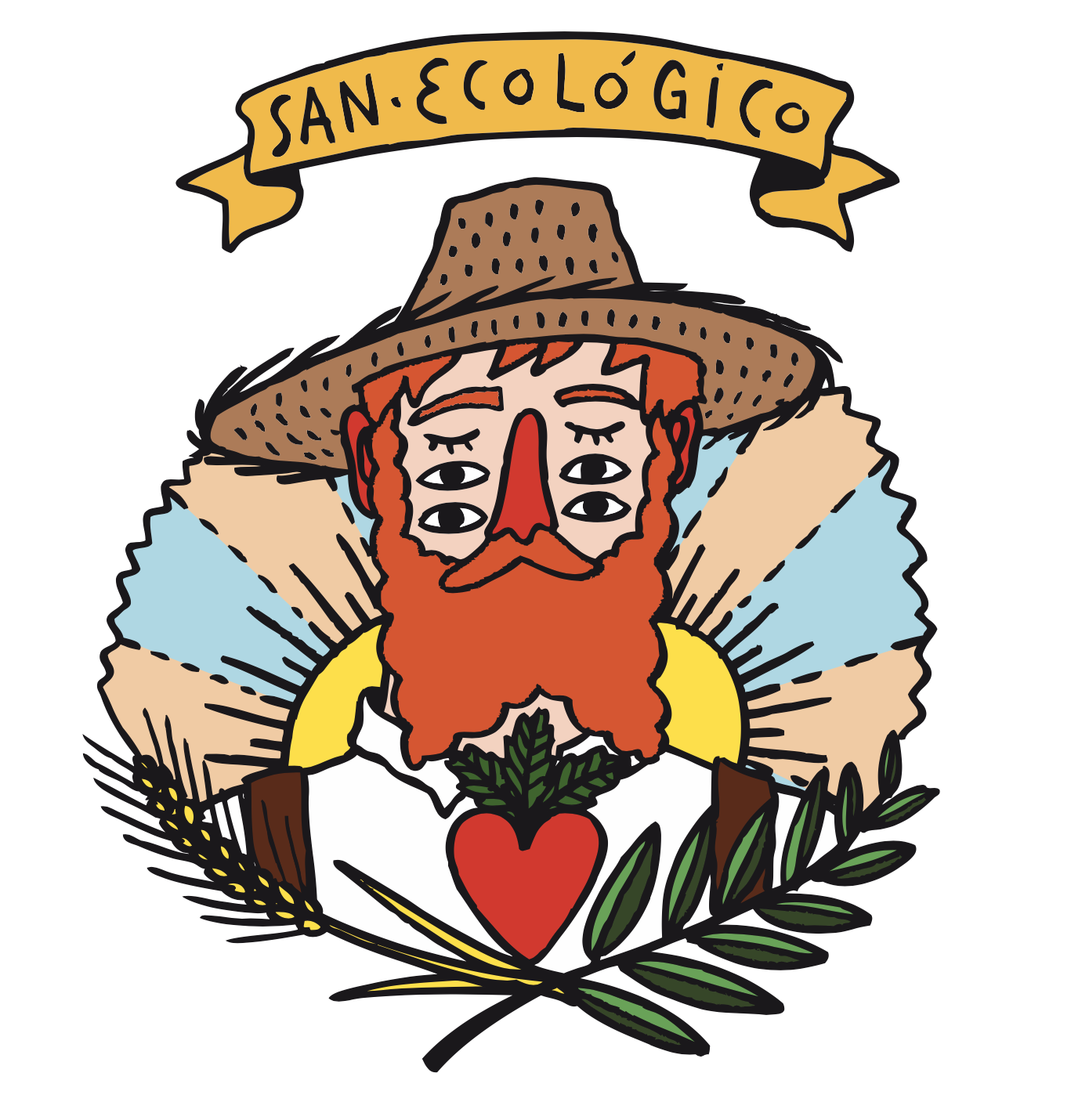
The logo for San Ecológico, designed by Ricardo Cavolo back in 2012. I still love this character. You'll meet him properly in the Advantage Gap section.
Good Intentions Aren't Enough
What's really killing sustainable/plant-based/conscious food businesses — and what actually works.
As you have probably seen where you live, there are a few places (restaurants, coffee places, shops, etc.) that are shutting down: beautiful places, nice products or services, filled with good intentions — and yet closing.
Since I've been in Barcelona, I've watched at least five sustainable/plant-based places close, and the majority of them share the same message:
"The system kicked us out"
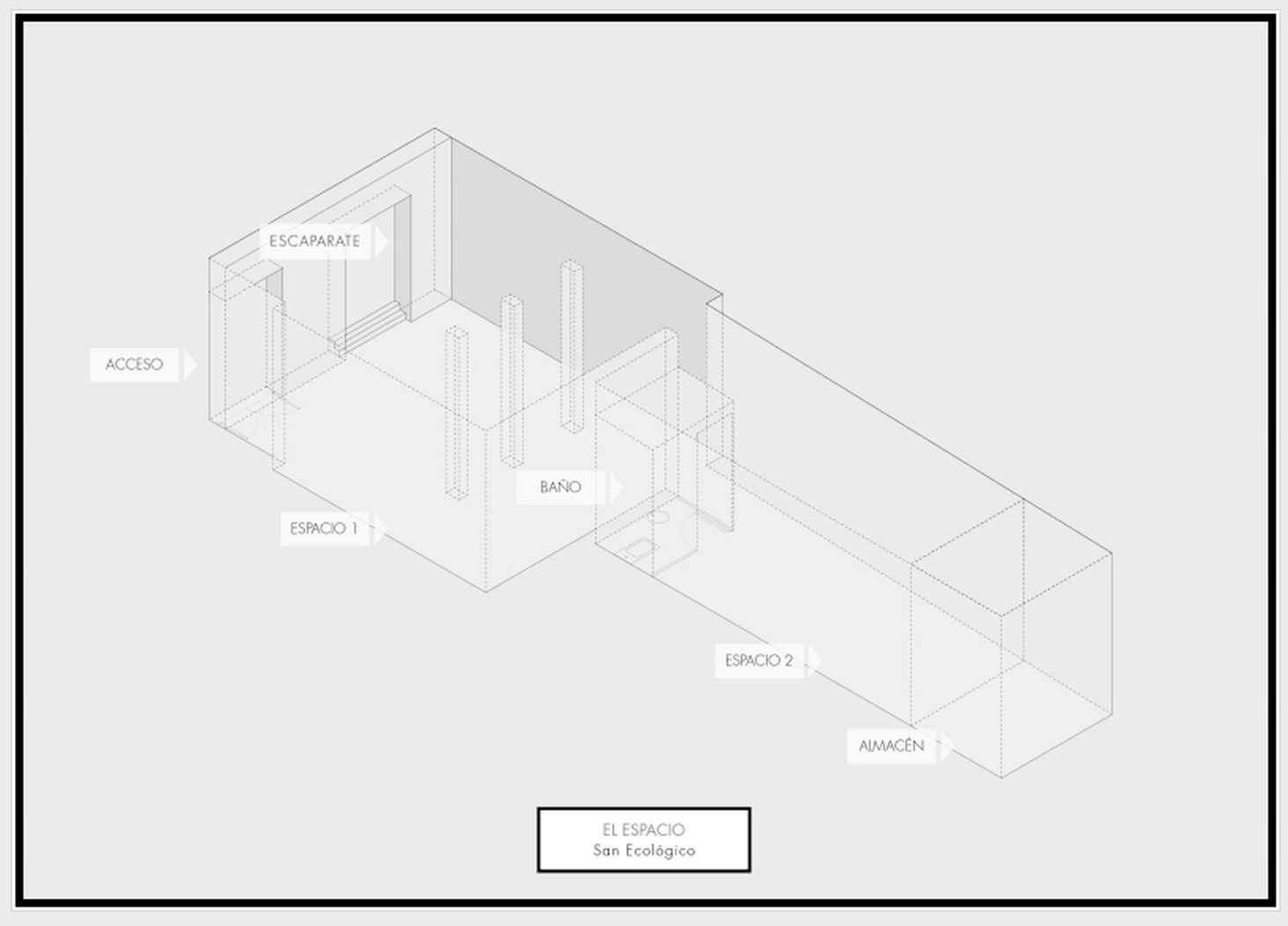
Floor plan of our tiny shop. We couldn't afford much, but the location was right — near a big market, busy street, good foot traffic. Looking back, the size wasn't the problem. Starting small is smart. We just never got to start.
And it is true. It is exhausting to have one eye on what is your passion and the other playing around with the bureaucracy (here in Spain for small entrepreneurs is a big challenge), but as usual, seeing this offers me the opportunity to talk about something that really moves me: concepts, or how to bring them to life, especially when "good intentions" are not enough.
And yet, new ones keep opening — fresh, hopeful, full of energy.
Every time that I have an opportunity to see a new place I like to see it in layers. To be honest I was even more specific and more analytic before, I just lost a bit of that passion on my way here, in what I call "La Nada" — the void, the burnout. I no longer have the energy or passion to do it myself — though a few years ago, I would have. Now I feel "exhausted", with zero in my battery, but I admire all of them — you! — who carry on with the adventure.
Or maybe it simply isn't my call anymore. In the past I helped beautiful projects take their first steps — showing up with passion and energy. Now I want to keep doing that, but differently: replacing energy with guidance. I've been figuring out how to do that for the last two years — alongside running a small family project with my sister: a tiny four-room hotel we've been building since 2005. Some of that journey I've shared here. Some of it I'm still learning to put into words.
As I try to figure out my own value proposition — what I can genuinely offer and to whom — I spend time observing what's around me. From the outside. From the barrier between doing and thinking. I like to find ways for you to rethink what you are already doing, or at least give you a new perspective on what you do — not knowing who you are, where you are, or what you like. I know a few of you, but not all.
Today, I am going to focus on The Three Fatal Gaps (yes, let's rock and roll) — patterns I can see from the outside, looking at places that are closing right now. We are living in a world where new opportunities pop up but are a bit more challenging for those who have been around for a while. If you are thinking of creating something new, opening a new business, launching a product or a new brand — or if, on the opposite end, you are close to the other side, to closing — I hope my words can help you to take a moment and reflect.
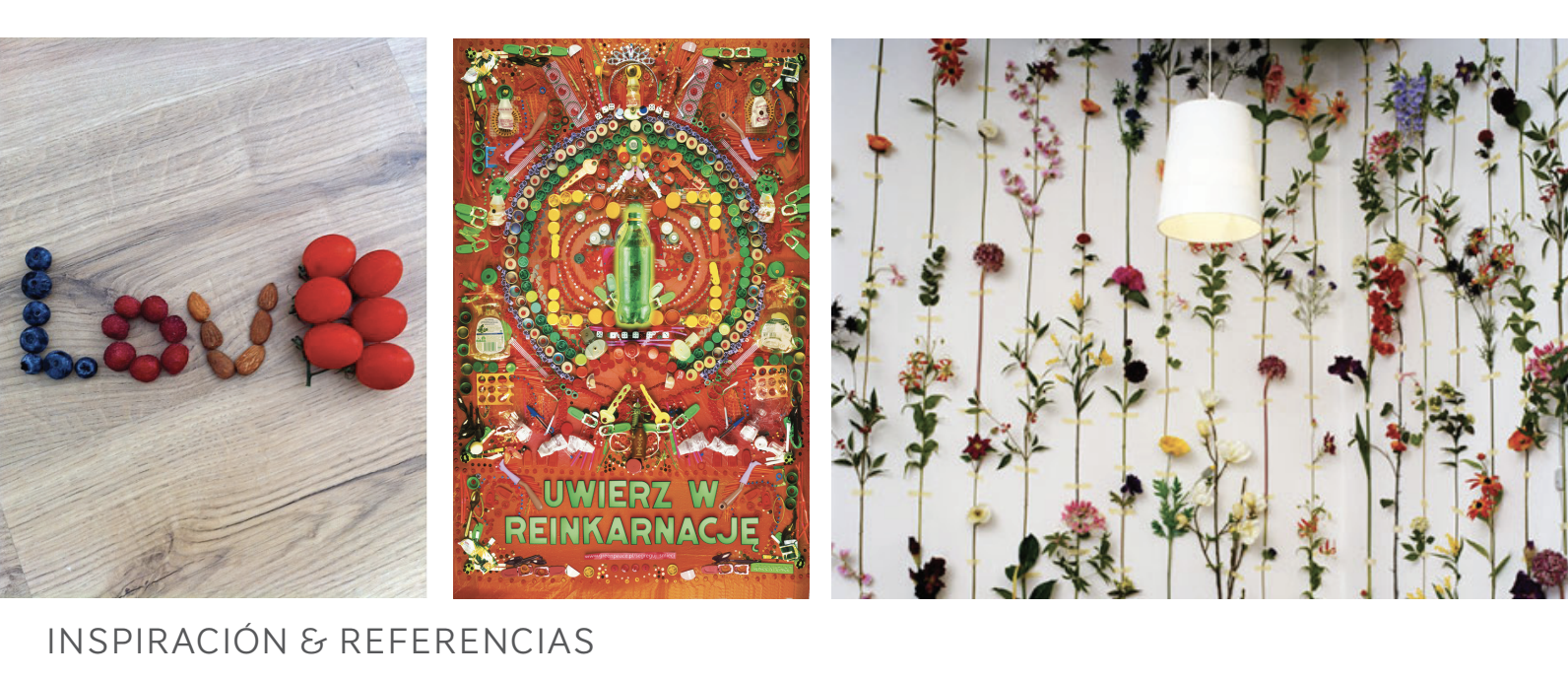
Inspiration and references. This is what we had in our minds back then — the mood, the aesthetic, the soul of the shop we wanted to build.
The most common mistakes I see in businesses with good intentions are categorized in these 3 gaps:
Definition Gap: Claiming to be X while actually being Y
Coherence Gap: Values don't equal a system that works
Advantage Gap: Nothing preventing replication or differentiation
I'm writing this with the same good intentions those business owners had — but with one additional tool: distance. The perspective that comes from not being in the daily grind. Whatever I write here you can throw in the bin folder, or take out your notebook and write down whatever feels useful for you.
I'm doing this because I still believe this conversation matters.
Building healthy, well-structured small businesses is what will keep our cities interesting, plural and different from each other. No matter if we are already super saturated in cities like Barcelona, there is always a chance to try to do things differently from day one — and day one is the day you sit down on your chair and start to translate what you have in your mind onto paper.
The two bigger points here are:
Sustainability/plant-based/conscious food needs BETTER concepts, not just better values.
The movement deserves businesses that can actually survive and EVOLVE.
To continue with my analysis I started this part using two examples, but having been writing for I don't know how many hours, I feel it is not necessary to focus on real examples — because I think it will take you to another place, and also, I don't know the real reasons behind any closure. There are always internal factors — personal, financial, relational — that outsiders can't see. I am just observing from the outside, from what was publicly visible: their positioning, their offer, their market context — always from my own point of view, not to focus on what went wrong, but to use these examples to explore a bigger question:
When good intentions meet market reality, what else needs to be in place?
If you are interested in knowing which two examples inspired my words, just reply and I will share them with you — we can also have an open conversation if it flows.
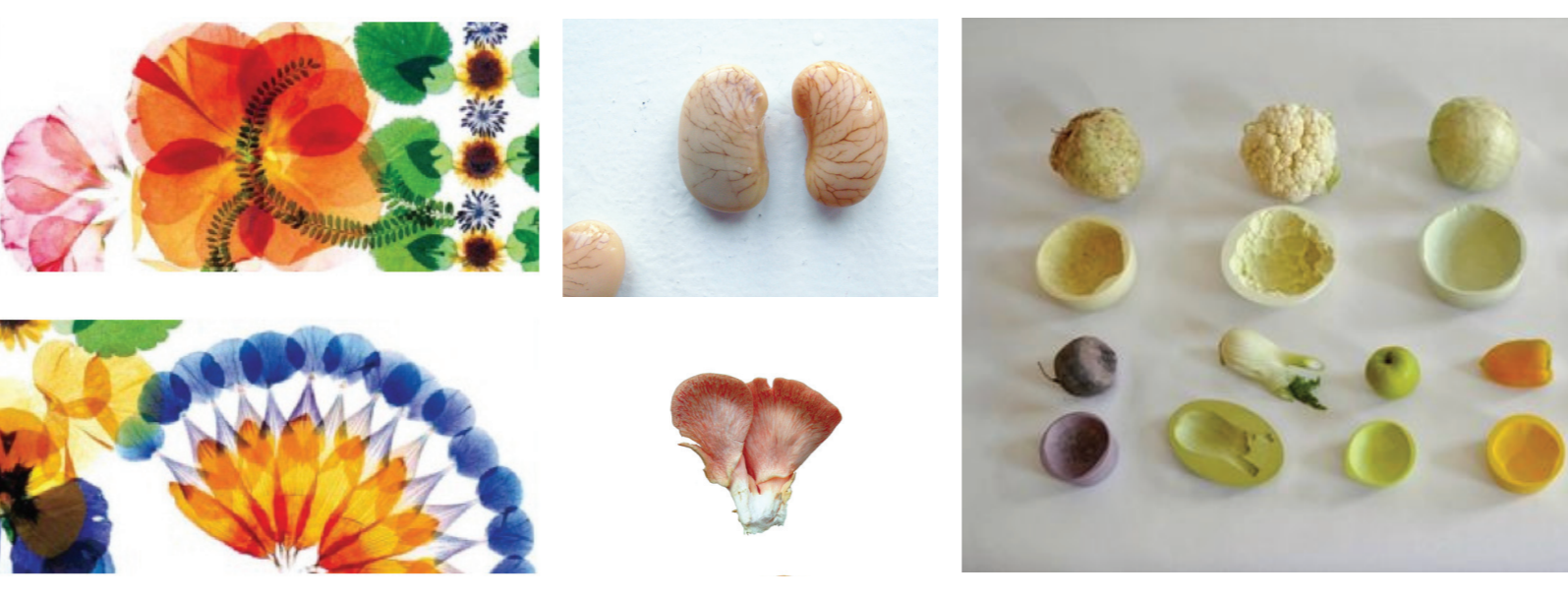
Inspiration and references. This is what we had in our minds back then — the mood, the aesthetic, the soul of the shop we wanted to build.
To answer that question, I am going to use this framework — yes, finally coming back to where I started: The Three Fatal Gaps (I am using "fatal" just to be a bit more dramatic and make this interesting — always remember my previous note, please!)
A note on context:
We are living in a world really different than 10 years ago — even the last 5 have been shocking. Many social, economic, climatic, and political changes affect the way we consume and relate to each other. Our needs and tastes have changed. I've noticed this myself in my work: we have reached a limit in our mini veggie world, and now our labels — functional labels like "vegan," "plant-based," or even "zero waste" — have become our weakness. For a business to survive all these years requires an enormous amount of energy and the ability to be resilient, but also the courage to say "enough" and close. Our labels are no longer enough — well, not just from now, this started before — but today it is necessary to shift our focus and attention: to bring something in tune with our present moment, and to build these new ideas, projects, and businesses with flexible legs, ready to move if needed.
My two examples were a shop that presented itself as the first zero-waste supermarket, and a restaurant that called itself a "concept restaurant" offering "an ultimate vegan award-winning dining experience."
Two very different businesses. Two different approaches. One common thread: despite good intentions, strong values, and community support, sustaining themselves proved impossible.
So what happened? Let me be clear again:
I don't know the internal reasons either place struggled or closed. But looking at what was publicly visible, I wanted to find patterns that might help you think about your idea in a different way.
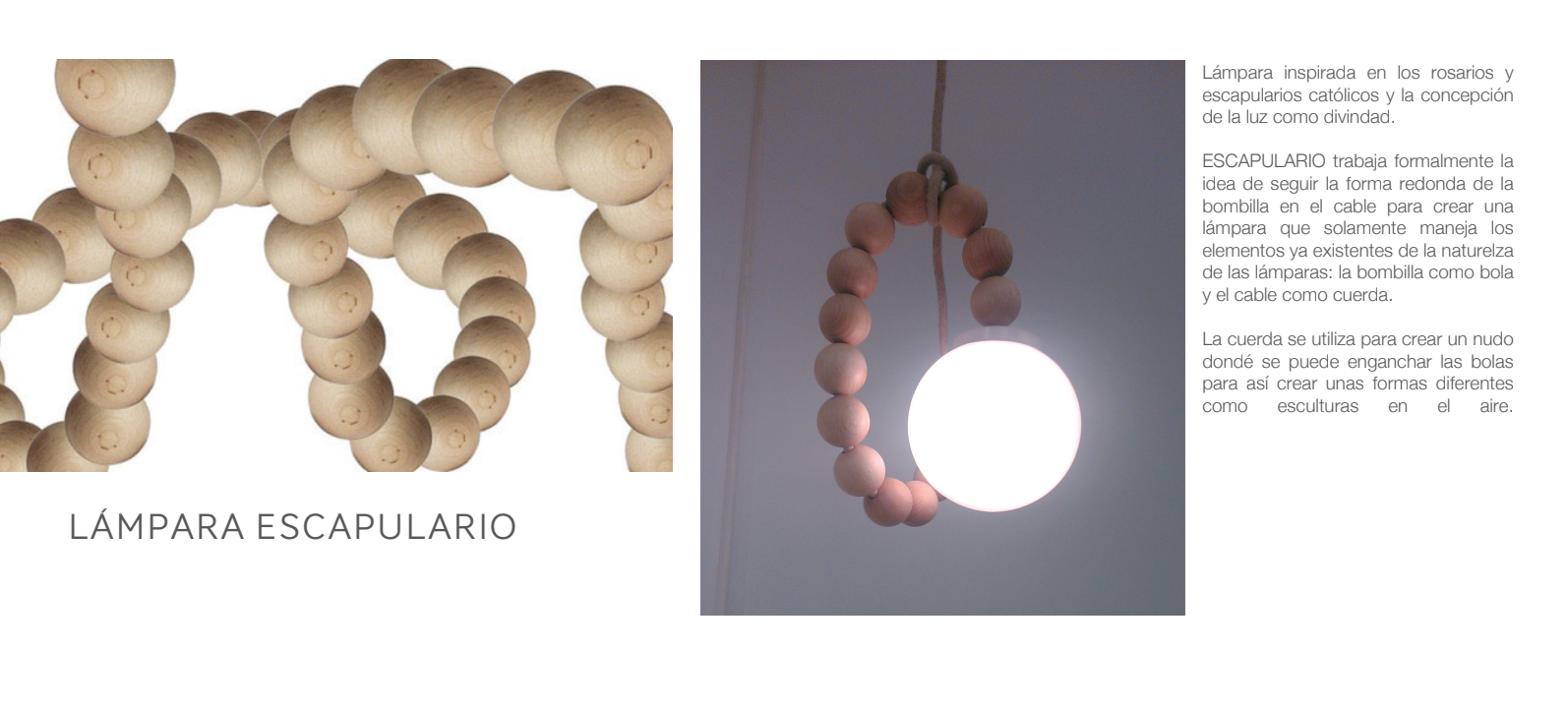
Even the lamps told the story. Rosary beads reimagined as lighting — a small detail that connected to the Saint's way of living. This is what coherence looks like when it works.
Definition Gap
Claiming to be X while actually being Y.
I am not an expert, just someone who likes to think. But I know this: words are powerful because they carry meaning — not just on paper, but in people's minds, shaped by their experiences.
When you define your business, the words you choose create expectations. If there's a gap between what you claim to be and what you actually deliver, that disconnect weakens everything else.
The first example used the word "supermarket." But what does that word mean in people's minds?
A supermarket offers range, convenience, discovery, one-stop shopping
A supermarket competes on selection and accessibility
You go to a supermarket for everything you need
If you build that first milestone — no matter what happens after — you’ll be able to mutate, adapt, and transform.
What this project actually was: a bulk store. A beautiful, principled bulk store with 300 products and a powerful manifesto — but a bulk store nonetheless. The gap between "supermarket" and "bulk store" isn't just semantic. It's a different business model, a different value proposition, a different customer expectation.
And why do other bulk stores in the city still open? Is there another gap in the relationship between the value proposition and the buyer? Or simply the wrong buyer persona altogether?
The second example called itself a "concept restaurant." But what was the concept?
Making vegan versions of Asian food? That's a menu strategy, not a concept.
Creating an "ultimate dining experience"? That's an aspiration, not a differentiated idea.
The name suggests something, as it refers to culinary elements — but was that concept clear when you walked in? Did it guide every decision, from the website to the setting to the menu to the way staff spoke to you?
Or was the real offering: "high-quality vegan Asian fusion in a nice space"? Because that's not a concept — that's a category with modifiers. We all make the same mistakes. Including myself (hundreds of them!)
The exercise:
1). Write your definition: "We are a _________ that _________"
First blank = your category
Second blank = your transformation/difference
2.) Test it from multiple perspectives:
What does someone expect when they hear that category?
Does what you actually deliver match those expectations?
Ask 5 people outside your idea: "When I say we're a [X], what do you expect to find?"
3.) Look for the gap:
If expectations don't match reality, you have a definition problem.
Either change your words or change your reality.
The definition isn't decoration. It's the foundation. Get it wrong, and everything else cracks. I'm speaking from my own experience here — I am still answering the same question myself, and my answers have changed a lot over the last two years. I'm still figuring it out. But I think that's good. At least I'm questioning myself, working towards a better definition of what I can truly offer.
Coherence Gap
Values don't equal a system that works
The concept must infect everything: naming, menu, pricing, location, staff training, materials, communications, partnerships. It is not decoration — it is DNA. If one element contradicts the concept, the whole system weakens.
The first example called itself a "supermarket" but didn't offer supermarket-level range, convenience, or discovery. System break. It said "zero waste" but had no systematic way to close the loop beyond the point of sale. System break. Beautiful values, clearly stated — but the system didn't support them.
I'm not saying they had to become a traditional supermarket. But if you call yourself a supermarket, you need to deliver on what that word promises — OR consciously redefine what "supermarket" means and make that redefinition so clear and compelling that people understand you're playing a different game.
Sometimes we focus too much on decoration — beautiful websites, beautiful store settings — and we forget to change the actual system in a way that inspires others to change with us. We focus on changing how everything looks instead of changing the way people consume.
And sometimes, the decoration itself sends a contradictory message. The space was beautiful — really beautiful. But to me, it felt luxury. And I kept wondering: does luxury contradict accessibility? If your message is "zero-waste for everyone" but your aesthetic whispers "this is for people with refined taste and disposable income," are you attracting the audience you need? Or the one you think you want?
I don't have the answer. Maybe I'm wrong. Maybe beautiful spaces inspire change in ways I'm not seeing. But it's worth asking: does every element of your system — even the aesthetic — support your mission? Or does it accidentally work against it?
The world around us is constantly changing. If we want to build something sustainable, we have to be able to mutate, to evolve with it. How could they have done that? Maybe by focusing on what actually changes behavior: price, convenience, accessibility. Making zero-waste shopping so easy and affordable it becomes the obvious choice — not just the virtuous one.
The second example is more subtle, and honestly more interesting to me. I think their coherence gap wasn't about contradiction — it was about stagnation. Coherence isn't just about alignment between your values and your offer. It's also about alignment between your concept and time. A concept that doesn't evolve eventually contradicts itself — because the world around it keeps moving.
A restaurant that wants to surprise and excite people about plant-based food needs to keep surprising them. If the menu stays essentially the same, the surprise disappears. And without a strong culinary personality at the center — a chef, a voice, a point of view that grows and pulls people forward — the concept slowly empties out. The space was big, the execution was professional, but somewhere along the way the soul stopped evolving.
This is perhaps the hardest coherence gap to catch: not the one where your values contradict your system, but the one where your concept quietly becomes a category again.
The exercise:
Map your concept across every touchpoint. For each one, ask:
Does this element express my concept or just exist alongside it?
If I removed my branding from this element, would someone still recognize it as mine?
When did I last evolve this element? Is it still aligned with where my concept is going?
If you find elements that just exist — that don't actively express your concept — you've found your coherence gap. Fix them or remove them. Because in a coherent system, everything either contributes or it costs you.
Advantage Gap
Nothing preventing replication or differentiation
This is the gap I learned about the hard way — back in 2012, when I was trying to create a zero-waste shop in Madrid with friends. We called it San Ecológico — Ecological Saint.
San Ecológico was a character we created for the store's storytelling. Let me introduce him properly, because I still love him:
Saint Ecological (aka Jeremías García) is more enlightened than saintly — a redhead who, after a tumultuous life, decides to leave everything behind and return to the countryside where he belonged, living as a hermit in the woods for years. He came from a farming family but soon moved to the city to study and work, though he ended up going astray. His life and his job were suffocating him, and he was broke. He needed a change. Ten years later, he returns to the city determined to show people that they need to change their habits and consume responsibly — to save money, be healthier, and create wealth around them.
We had big dreams. The plan was to create the first "smart cost" franchise of 100% organic and bulk food stores in Spain — a very high dream, yes — with a free app to recommend healthy weekly menus connected to the store, a breakfast service, fast, good vegan meals, a complete training offer in food, nutrition and events. We developed everything: the business model, the branding, we rented the space, designed it with the Saint's aesthetic in mind. We were all in.
And then we went to a course on Lean Startup methodology. And one concept stuck with me forever:
Unfair Advantage: Why Can't They Copy You?
The hardest question we ever asked ourselves:
What do we have, know, or can do that others can't easily replicate?
I don't remember if we ever truly answered it. I would need to go back through my notes — but as I've said before in my previous newsletter, nostalgia is a place where you can't stay too long. It brings not only memories but other things that won't be helpful right now.
What I DO remember is the silence in the room when the question was asked.
And that silence told us everything.
So let me ask you the same question — and to help you answer it, look around these areas:
Proprietary knowledge — something you know that others don't
Unique access — to people, places, ingredients, communities
Community trust — built over time, impossible to manufacture
Personal story — your specific journey, unrepeatable
Specialized skill — something that took years to develop
Location — not just geography, but context and belonging
Network — relationships that open doors for you alone
Your secret "salsa" — that special combination of ingredients that is uniquely yours
And I'd add one more thing I've been thinking about lately: your unfair advantage isn't just what makes you different from your competitors — it's also what you can offer that complements what others in your space are already doing. Sometimes the advantage isn't in replacing what exists, but in completing it.
Coming back to my two anonymous examples:
The shop: Anyone can open a bulk store. Anyone can write a manifesto about zero waste. A beautiful brand is not an unfair advantage — it can actually work against you if the promise it creates is bigger than the reality it delivers. Where was the thing that only they could offer?
The restaurant: Vegan Asian fusion is no longer rare, especially in Barcelona. So what was their unfair advantage?
Not location — Eixample is one of the most competitive neighborhoods in the city
Not cuisine type — there are plenty of vegan Asian options
Not price point — tasting menus suggest premium pricing in an already competitive market
Awards and press? Those are outcomes, not advantages. You can't build a moat around a TripAdvisor certificate.
The brutal question: Why would someone choose this place over any other in the same category — or over dozens of other vegan spots — or even over a non-vegan Asian restaurant that simply does it better?
If you can't answer that question clearly and specifically, you don't yet have an unfair advantage. You have a good idea. And a good idea, without an unfair advantage, is just the beginning — not the business.
The exercise:
Complete this sentence as specifically and honestly as you can:
"Only we can _________ because _________."
Not "we are the best at..." Not "we really care about..." Those are intentions, not advantages.
If you find yourself struggling to complete it — good. That's the most useful moment in this whole framework. Because the answer to that sentence is the thing worth building around.
And if you can't complete it yet? Don't open. Keep thinking. The world doesn't need another good idea with good intentions. It needs yours — the one that only you can bring.
To summarize what I've been exploring here — my tips for building a stronger concept, from not an expert, just a lover:
A clear organizing principle that guides every decision
A transformation that goes beyond just food
A reason to exist that goes beyond "we do X but vegan" (or any other functional label)
Coherence across all touchpoints — from naming to service to space
Built-in differentiation that's hard to copy
And now, I don't know if you're asking the same question I am right now: why does everything need to be so complicated?
It doesn't.
There are places I'm 100% sure never went through any of this process — and they don't need to. My favorite place to eat a gluten-free pizza is my daily reminder of that. The menu is zero exciting. The branding? Nothing special. The food itself, regular. But every time I want something really naughty, I go there. Why? I'm not sharing that. But I want you to make the same reflection for yourself.
Because sometimes the concept is simpler than any framework can capture. And sometimes the most important ingredient has no name.
I hope you find this text useful and not pretentious. The reason behind it is always the pleasure of writing — finding an excuse to talk, to start a conversation. And my favorite part is reflecting on topics I love.
As I said from the beginning:
I am not an expert. I am a lover. And I am trying to keep this fire on.
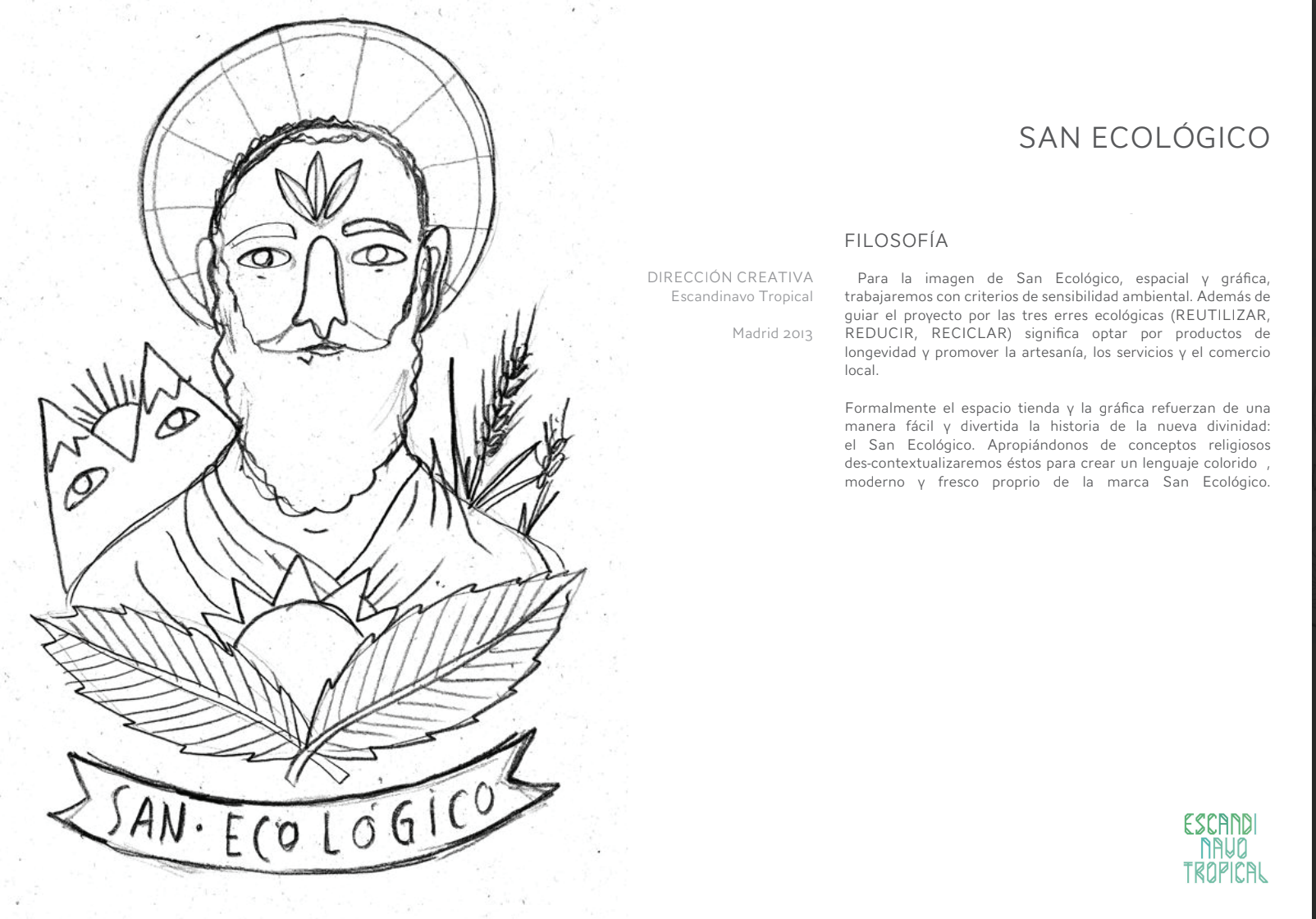
The beginning. Our designer's proposal and first logo draft. We wanted to build around the 3 Rs — Reuse, Recycle, Reduce — with local, artisan, durable products, all wrapped in San Ecológico's colorful, symbolic storytelling. Looking at this now, I see how much love went into the concept. And how little we tested if anyone else loved it too.
P.S.
Back in 2012, we were so close to opening San Ecológico. We had everything done — the marketing plan, the business plan, the space, the design, the character, the dream. Everything.
And then we went to get guidance from a local government entrepreneurship service. They didn't see the value in what we wanted to create. "Who would shop like this?" they asked. "Where's the market?"
That insecurity crept in. We started to doubt. And because we didn't have a strong bond between ourselves as partners — we didn't have that foundation of trust — the project failed before we ever opened the doors.
So yes, I know these three gaps intimately. I've lived them. The Definition Gap (were we a bulk store? a franchise? a movement?), the Coherence Gap (luxury Saint aesthetic meets affordable bulk shopping?), and most painfully, the Advantage Gap — we never truly answered that question in the room.
Maybe that's why I see these patterns so clearly now. Maybe that's why I'm writing this from the barrier instead of from inside a business.
Or maybe San Ecológico was my punto de arranque for everything that came after.
Support My Work
If this helped you, consider sharing it with a friend, subscribing to my newsletter, or buying me a coffee. This space is a labor of love—and your support helps me keep building it.